
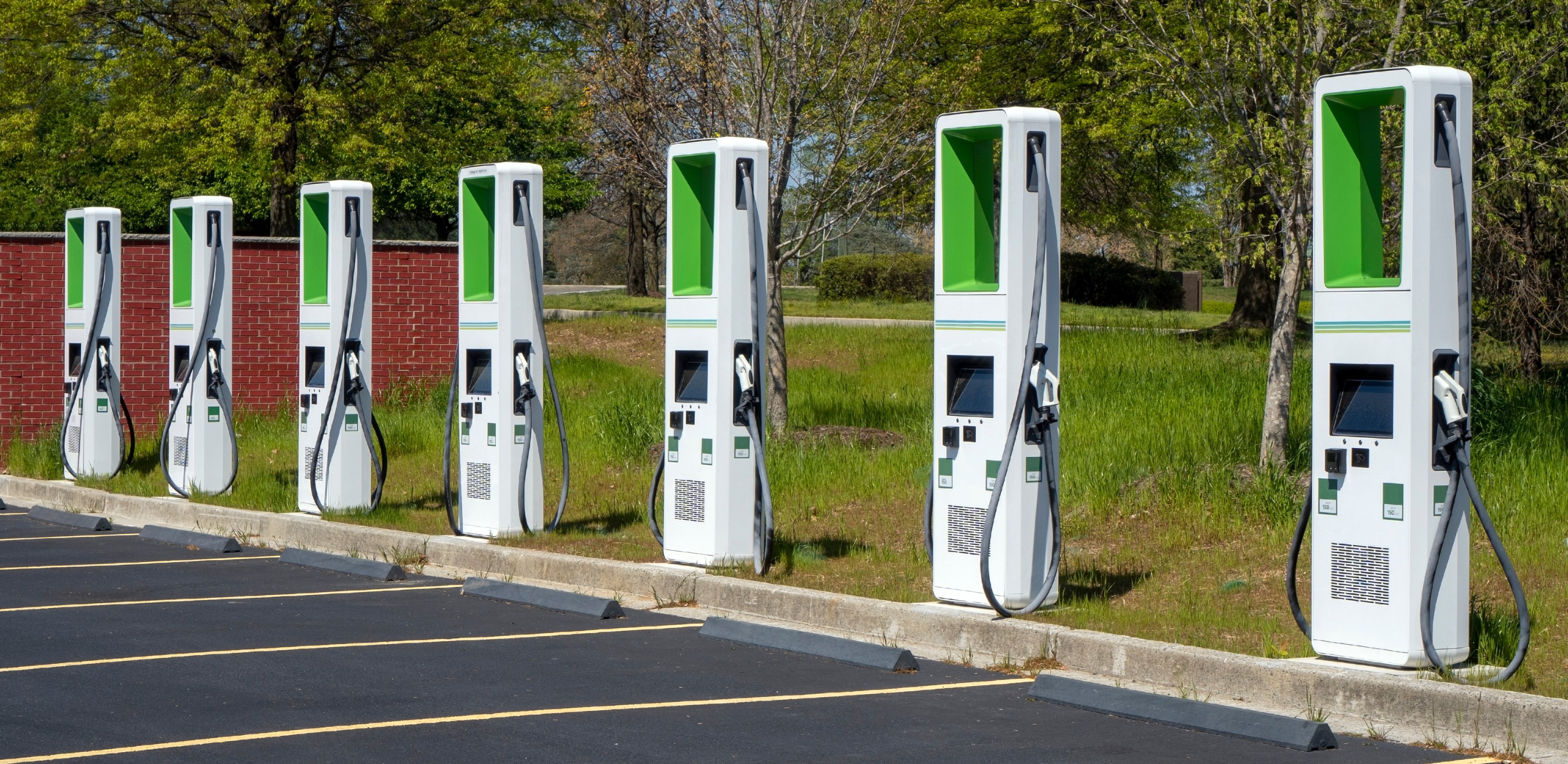
Short Answer: Should C-Stores Add EV Charging?
Yes, adding EV charging to your convenience store can be a smart long-term investment if your location, customer base, and capital allow for it. EV chargers increase dwell time, attract higher-income customers, and future-proof your business as electric vehicle adoption grows. However, profitability depends heavily on site traffic, charging speed, and your ability to monetize in-store purchases.
Key Takeaways
- EV adoption is rising, making charging a strategic traffic driver
- Chargers increase dwell time, boosting in-store sales
- Upfront costs are high, but incentives can offset them
- Best fit for high-traffic, commuter, or highway-adjacent locations
- ROI depends more on basket size than charging fees
Why EV Charging Matters for C-Stores
Electric vehicles are no longer niche. They’re becoming mainstream in many areas, and infrastructure is lagging behind demand. That gap is where convenience stores can win.
Key Trends Driving Opportunity
- Rapid EV adoption in suburban and urban markets
- Government incentives for charging infrastructure
- Consumer preference for convenient, multi-purpose stops
For a marketing-minded operator, this is not just a utility upgrade. It’s a traffic acquisition channel.
The Business Case: How EV Charging Drives Revenue
1. Increased Dwell Time = Higher Spend
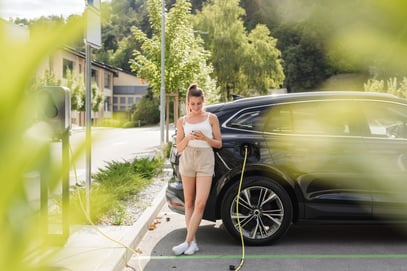
Gas customers spend 3 to 5 minutes on-site. EV drivers? 15 to 45 minutes depending on charger type.
That changes everything.
What this enables:
- Food service upsells (coffee, sandwiches, snacks)
- Impulse purchases
- Repeat visits due to habit formation
2. Attracting a Higher-Value Customer Segment
EV drivers tend to skew:
- Higher income
- More brand-conscious
- More likely to spend on premium items
This aligns perfectly with expanding categories like:
- Fresh food
- Better-for-you snacks
- Specialty beverages
3. Competitive Differentiation
Most C-stores still don’t offer EV charging.
Early adopters benefit from:
- Local monopoly positioning
- Strong Google Maps visibility
- Increased brand perception as “modern” and sustainable
The Costs and Challenges
Upfront Investment
- Level 2 chargers: ~$2K to $10K per unit
- DC fast chargers: $50K to $150K+ per unit
- Installation and electrical upgrades can double those numbers
Operational Considerations
- Maintenance and uptime
- Parking space allocation
- Utility demand charges
ROI Reality Check
Charging fees alone rarely justify the investment.
The real ROI comes from:
- Incremental in-store revenue
- Increased visit frequency
- Customer lifetime value
When EV Charging Makes Sense (and When It Doesn’t)
Strong Fit Locations
- Near highways or commuter routes
- Suburban areas with rising EV adoption
- Stores with strong foodservice offerings
- Locations with available parking space
Weak Fit Locations
- Low-traffic rural areas (for now)
- Stores without compelling in-store experience
- Sites with limited electrical capacity
- Locations with limited parking space
How to Maximize ROI
1. Design for Dwell Time
If customers stay longer, give them a reason to spend.
- Upgrade seating or layout
- Improve food and beverage options
- Add Wi-Fi and clean restrooms
2. Bundle Charging with Promotions
Turn charging into a marketing lever.
Examples:
- “Charge & Save” discounts
- Free coffee with charging session
- Loyalty program integration
3. Optimize Local Discovery
EV drivers rely heavily on apps and maps.
- Ensure listings highlight EV charging
- Collect reviews mentioning charging
- Use keywords like “EV charging near me”
4. Partner Strategically
Work with:
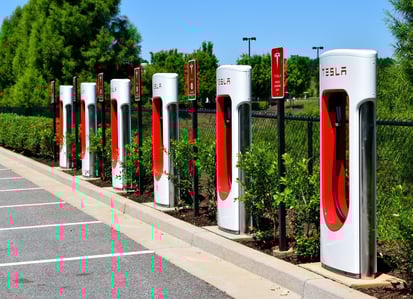
- Charging networks (Tesla, ChargePoint, etc.)
- Local municipalities
- Fleet operators
These partnerships can reduce costs and increase usage.
Strategic Takeaway
EV charging is not just a utility upgrade. It’s a traffic acquisition and retention strategy.
Charging fees alone are unlikely to justify the investment. The real return comes from increased time on site and higher in-store spending.
Stores that benefit most typically have strong foodservice, clean facilities, and enough space to comfortably accommodate customers during longer charging sessions.
FAQ
Is EV charging profitable for convenience stores?
Not directly from charging fees. Profitability comes from increased in-store purchases and customer lifetime value.
What type of charger should I install?
DC fast chargers drive more traffic but cost significantly more. Level 2 chargers are cheaper but take longer to charge, leading customers to charge elsewhere if given the option.
How long does it take to see ROI?
Typically 3 to 7 years depending on location, incentives, and in-store conversion rates.
Do EV chargers increase foot traffic?
Yes, especially in areas with limited charging infrastructure despite existing demand. They can become a destination driver.
Should small C-stores invest now or wait?
If your location supports it and incentives are available, early adoption can give you a strong competitive edge.